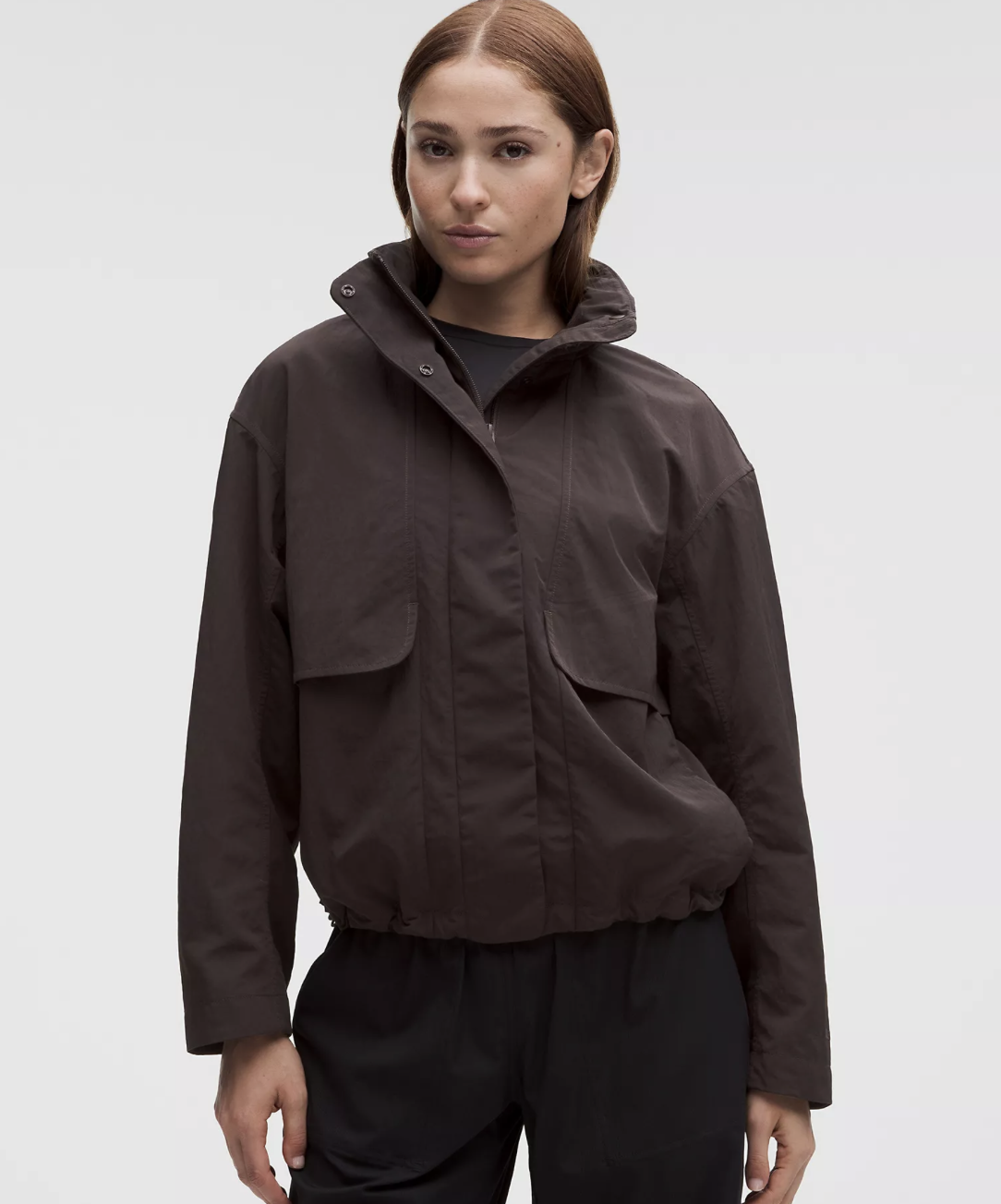
Coming from a warm climate, your first morning outdoor practice in Chicago is a complete shock to the system.Trying to run across a frozen field wrapped in a heavy parka just does not work because it restricts your movement, causes you to overheat during drills, and takes up every inch of space in your gym bag. At the same time, wearing basic workout leggings leaves you freezing the second the Lake Michigan wind hits the turf or while you are waiting on an elevated Brown Line platform.
Understanding Fabric Performance Over Bulk
The secret to surviving cold weather training comes down to understanding fabric performance rather than just piling on thicker outer coats. Most college athletes make the mistake of wearing cotton layers, but cotton naturally absorbs sweat, holds moisture against your skin, and rapidly cools you down during rest periods. To stay genuinely warm while remaining agile, you need high-density synthetic blends or brushed thermal knits underneath your gear. These technical fabrics actively wick moisture away from your body while trapping a thin layer of warm air right against your skin.
From the Field to the Classroom
By prioritizing wind-blocking weaves and thermal compression layers, you protect your body from the sharp platform wind chill without adding awkward volume under your team jersey, sweats, or athletic gear. High-quality base layers regulate your temperature seamlessly, which means you can power through a freezing 6 AM practice and walk straight into a warm nursing lecture hall without needing an entire change of clothes or feeling overly bundled up on campus.
Exploring options for your first campus winter? Check out our minimalist ChiActive Base Layer Collection built specifically for Chicago campus life and outdoor training.